Fencing & gate services
Natural character. Carefully installed.
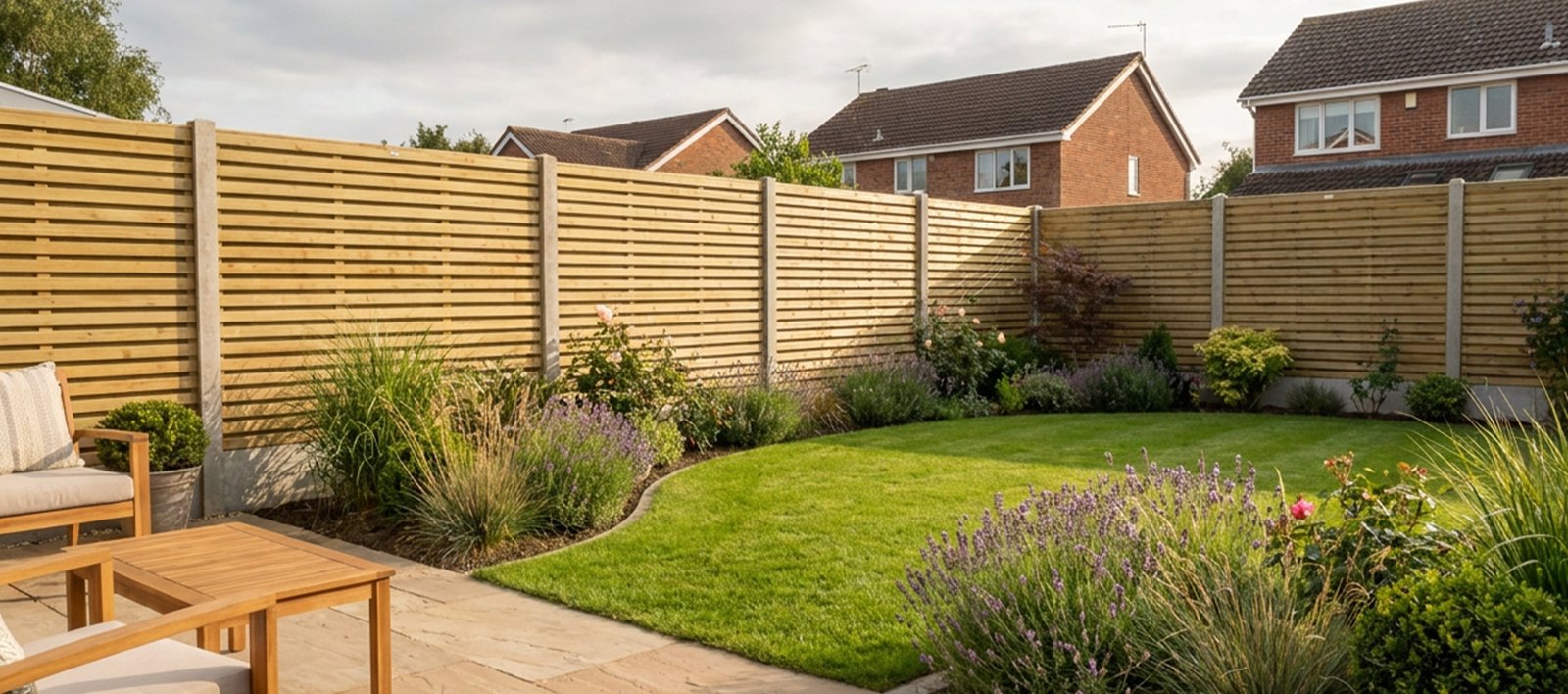
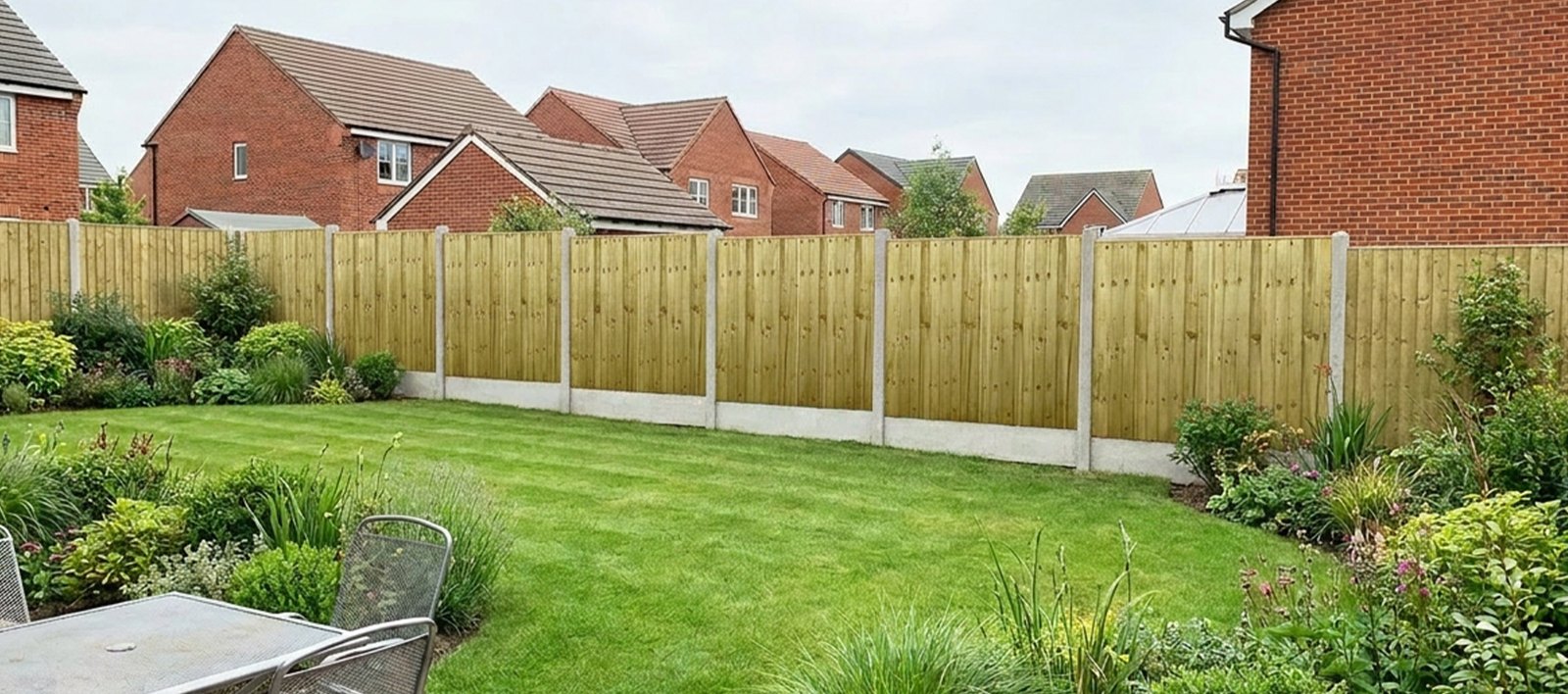
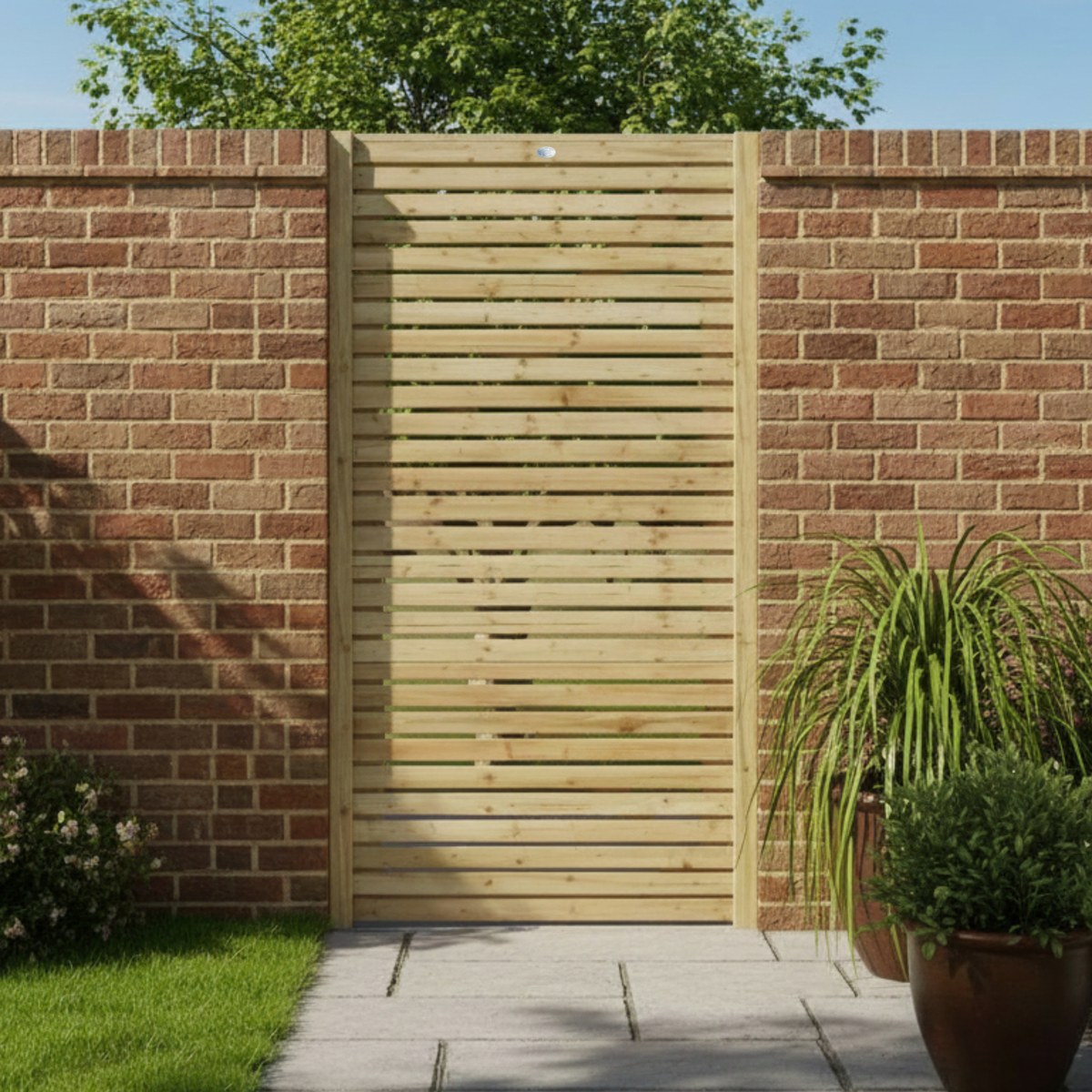
Traditional timber fence posts for garden boundaries, panel fencing and gates, selected to suit your site and style.
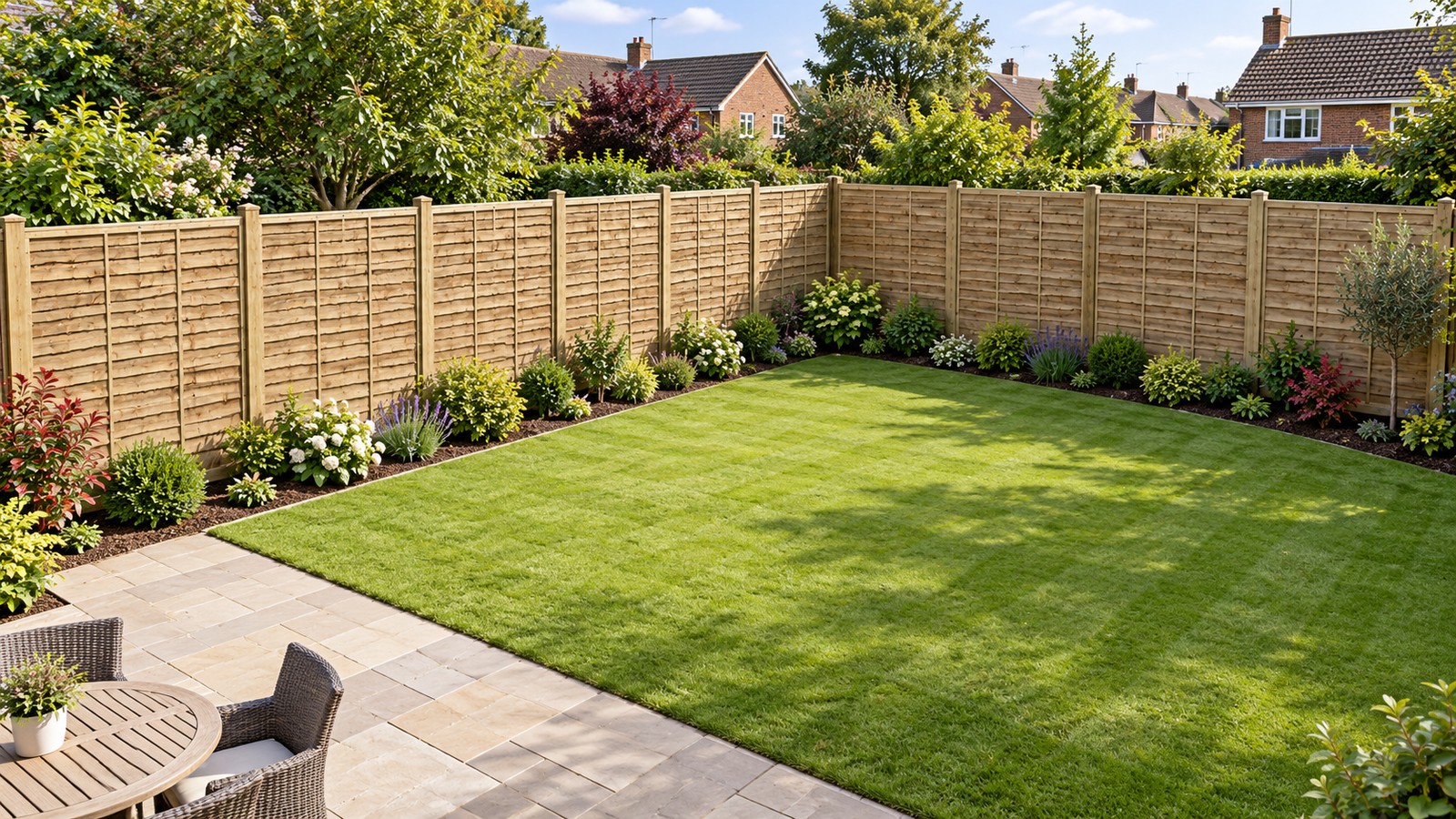
Wooden Fence Posts
The natural choice for your garden.
Timber posts blend with planting and traditional properties. They are versatile, easy to work with and can support a wide range of fencing designs.
We select an appropriate treated timber specification for the application and advise on size, depth and maintenance. Lifespan depends on the timber, treatment, ground conditions and ongoing care.
01
A natural appearance
Warm timber tones that sit comfortably in a garden.
02
Versatile installation
Suitable for panel fencing, rails and bespoke boundary details.
03
Advice on care
Practical maintenance guidance to help your timber last.
A straightforward process
From first idea to finished fence.
01
Talk & survey
Tell us about your project. We assess the site, measure up and discuss suitable options.
02
A clear quote
We set out the materials and installation scope so you know what is included.
03
Install & finish
We fit your fencing or gate, check the finish and leave the site tidy.
See the finish
Our latest installations
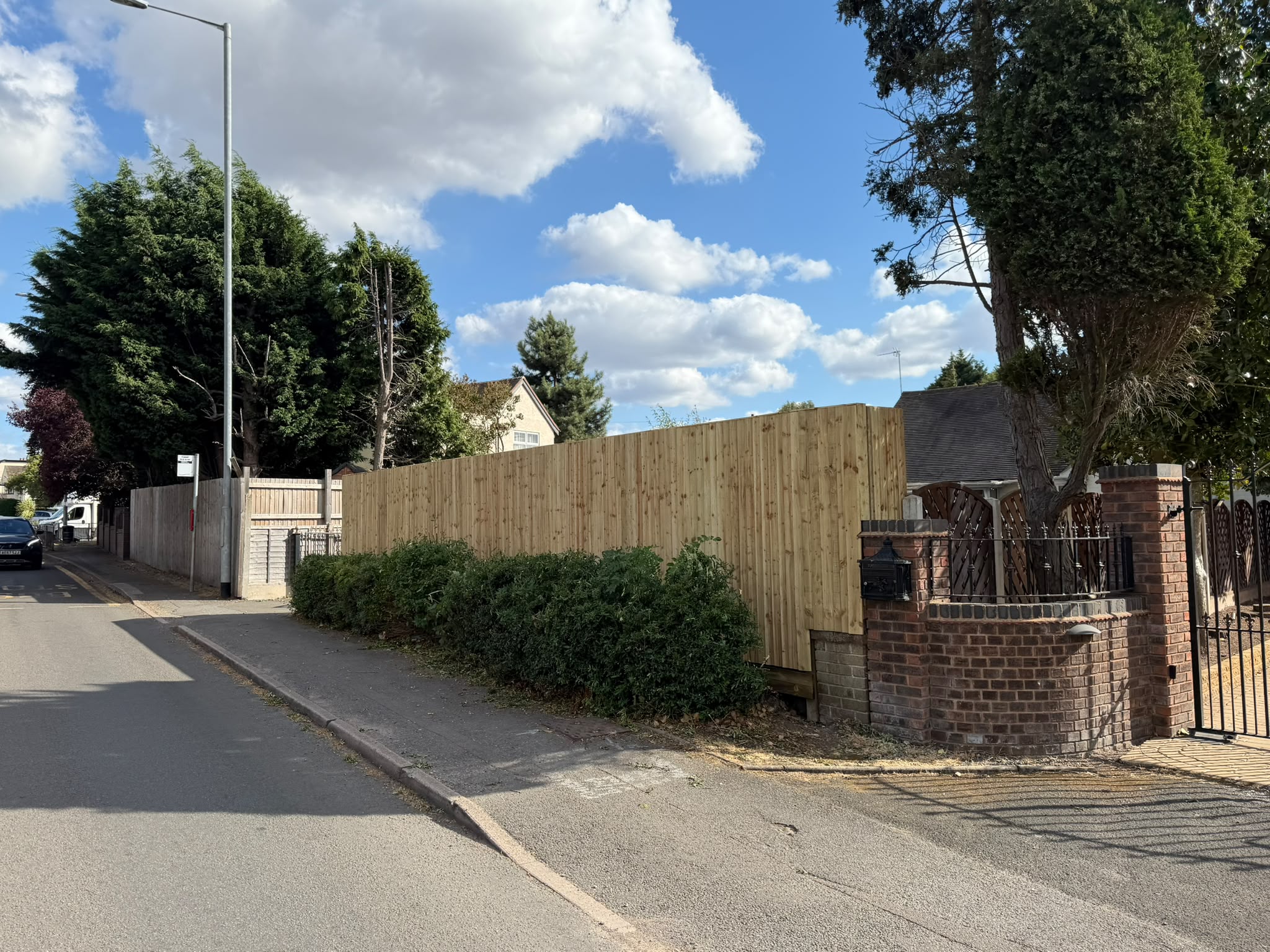
August 6, 2026
Cannock 6ft Feather Edge Fencing Installation
A large driveway needs a boundary that feels part of the property while giving the space a clear edge. For this Cannock project,…
View Cannock fencing project
July 16, 2026
Recent Concrete Posts, Concrete Gravel Boards and Lap Panel Fence Installation
This installation combines traditional lap fence panels with concrete posts and concrete gravel boards. The timber panels provide a solid garden boundary, while…
View Lap panel installation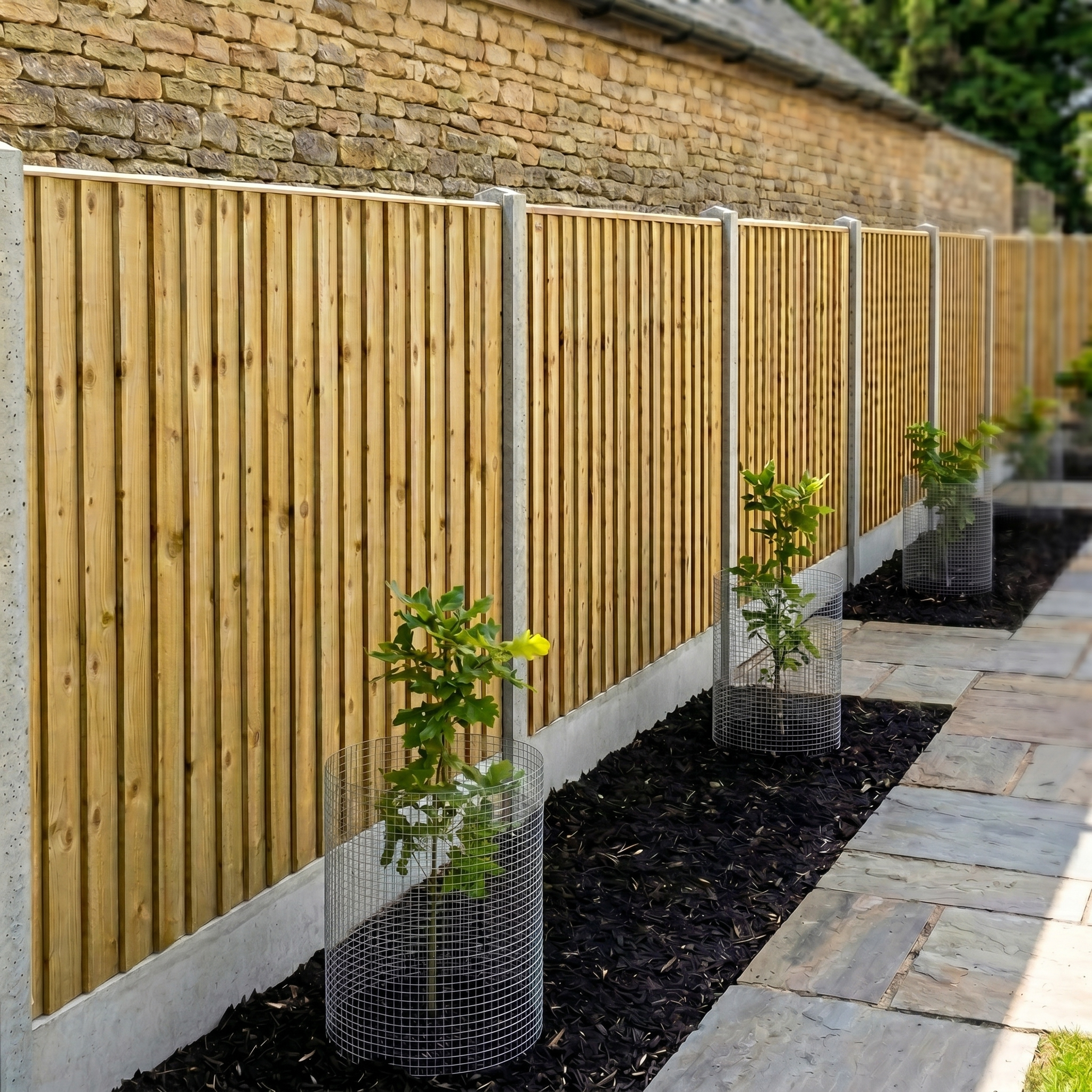
June 29, 2026
Concrete Posts, 1ft Gravel Boards and 5ft Feather Edge Fencing
This completed fence combines 5ft feather edge panels with 1ft concrete gravel boards to create an overall 6ft boundary. Concrete posts support the…
View Feather edge installationLet’s build something better
Ready to improve your boundary?
Tell us what you have in mind. We will help you find the right fencing or gate solution.
Advice for your boundary
Timber fence posts fitted to suit your garden
Wooden fence posts offer a natural appearance for garden boundaries, panel fencing and gates. InstaFence discusses timber post installations across Telford and Shropshire, selecting a suitable treated timber specification and support arrangement for the application. Post size, ground conditions, fence height and exposure all need to be considered before installation.
Choosing between timber and concrete
Timber posts can blend with a traditional garden or a continuous feather edge fence. Concrete posts offer an alternative where rot resistance and compatible panel replacement are priorities. Neither option removes the need for careful installation. We can explain the differences in appearance, maintenance and suitability for your boundary.
Care and replacement of existing posts
Timber lifespan depends on the wood, treatment, conditions and ongoing care. Leaning or damaged posts should be assessed alongside the surrounding fence rather than treated as an isolated problem. Send photographs of the boundary and tell us whether you want to retain the existing panel style when enquiring about a repair or replacement.